The badge
SHACMAN

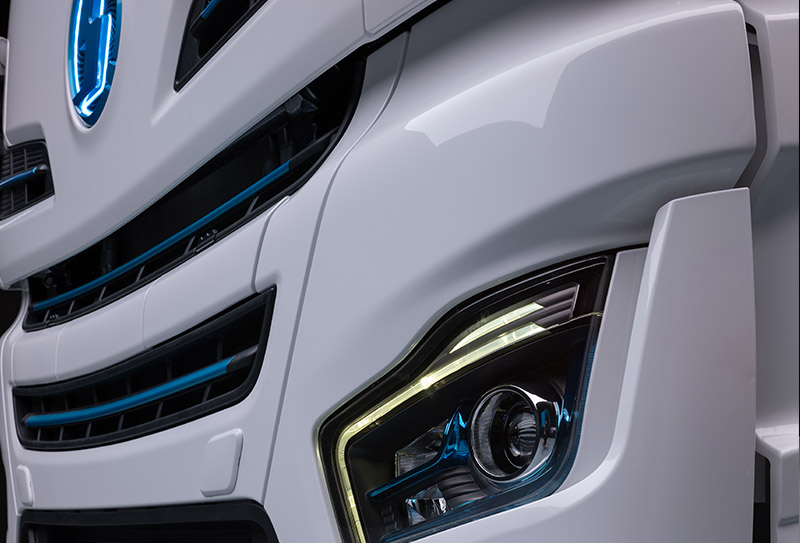
The SHACMAN badge is more than just a logo. It is a proud representation of who we are and what we stand for. It is composed of two letters: “S” and “Q”. These letters have a dual meaning. On one hand, they are the initials of our company name in Chinese: Shaanqi “陕汽”, which reflects our origin and heritage. On the other hand, they are also the abbreviation of “SHACMAN Quality”, which expresses our dedication and passion for delivering the best products and services to our customers. The SHACMAN badge has been a symbol of our brand identity and excellence for more than 50 years, and it has been our guiding principle since we embarked on our journey.

Design philosophy
Fuel efficiency
Performance
Sustainability
Aesthetics
Fuel efficiency
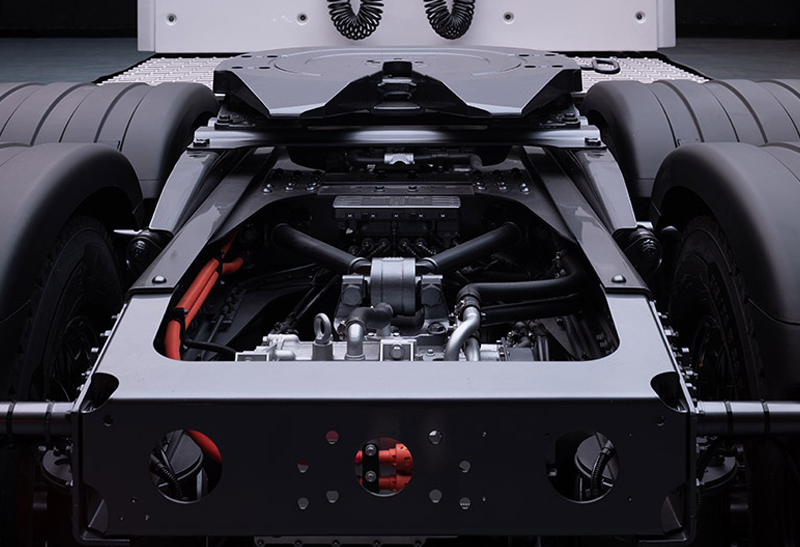
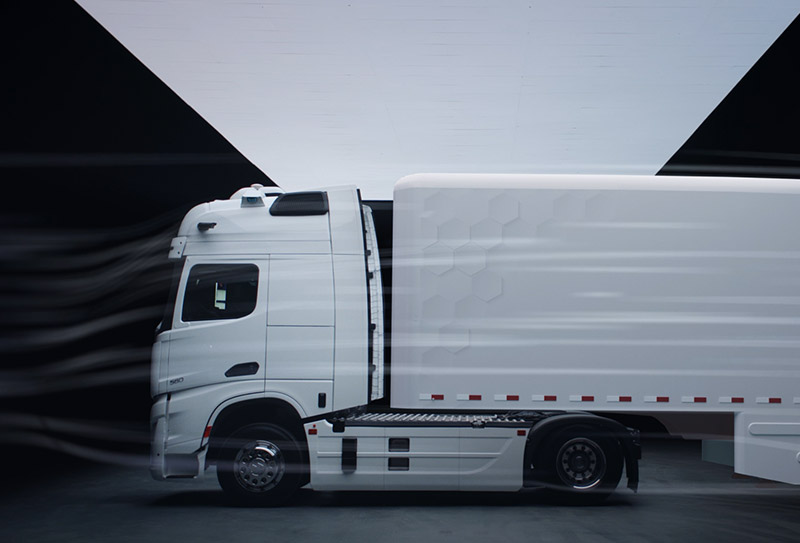
One of the main goals of truck design is to reduce fuel consumption and emissions, as this can lower the operating costs and environmental impact of the vehicle. To achieve this, we have considered various factors, such as the powertrain topology, which determines how the engine, motor, and battery are connected and controlled; the transmission technology, which affects the efficiency and performance of the power delivery; the aerodynamics, which reduces the drag and wind resistance of the truck; the weight, which influences the energy demand and payload capacity of the truck; and the energy management system, which optimizes the energy flow and storage of the truck.
Fuel efficiency
Performance
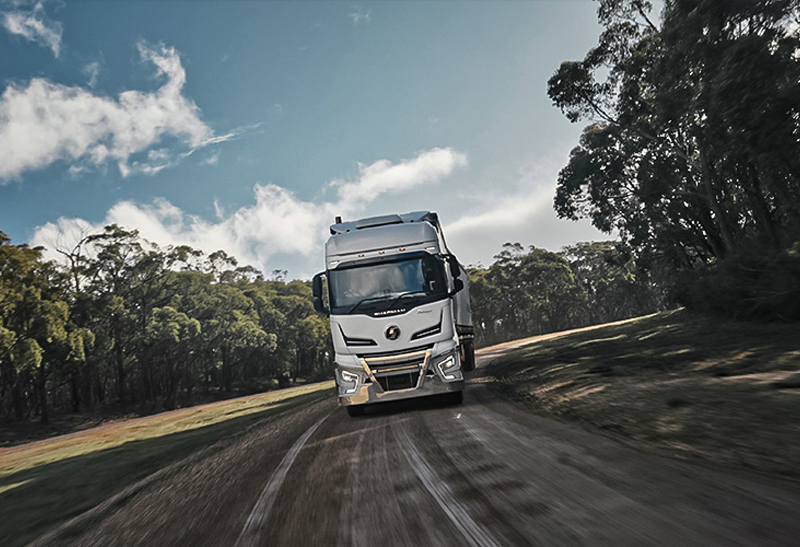
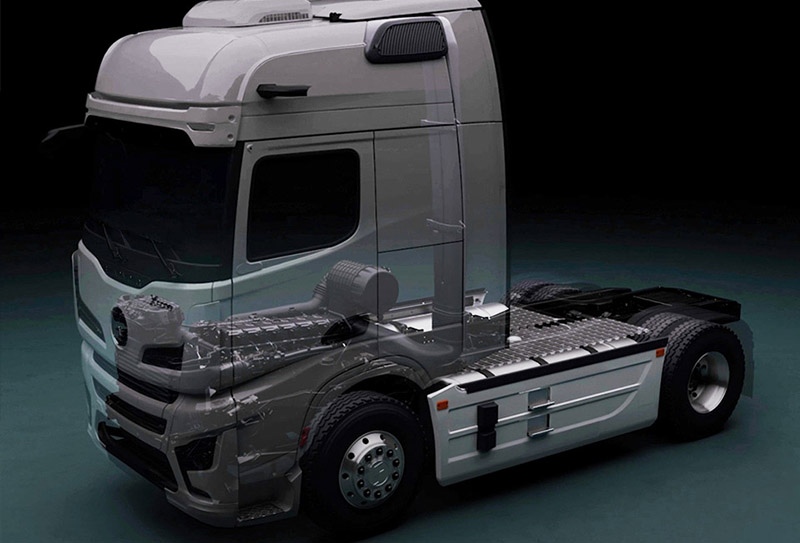
At the heart of our truck design philosophy lies a commitment to harmonizing power, efficiency, and reliability. We engineer our vehicles with the foresight that they must rise to the challenges of diverse demands, ensuring robust performance across a spectrum of applications. Our trucks are built not just for today but for tomorrow, embracing efficiency and safety as pivotal pillars. With every model we craft, we aim to deliver an experience that transcends expectations, providing our customers with a dependable partner on the road.
Performance
Sustainability
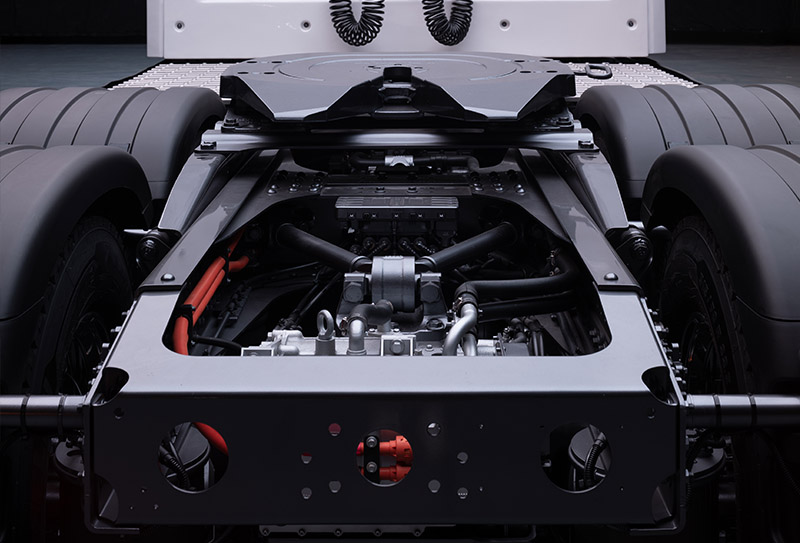
Sustainability sits at the core of our truck design philosophy. Our vehicles are crafted to stand the test of time, boasting long lifespans and low maintenance demands. We integrate advanced diagnostics and prognostics to continuously monitor component health, ensuring any potential issues are flagged early for driver attention. This proactive approach, coupled with our trucks’ ease of serviceability and repairability, guarantees that our commitment to sustainability extends beyond mere words—it’s built into every truck we create.
Sustainability
Aesthetics
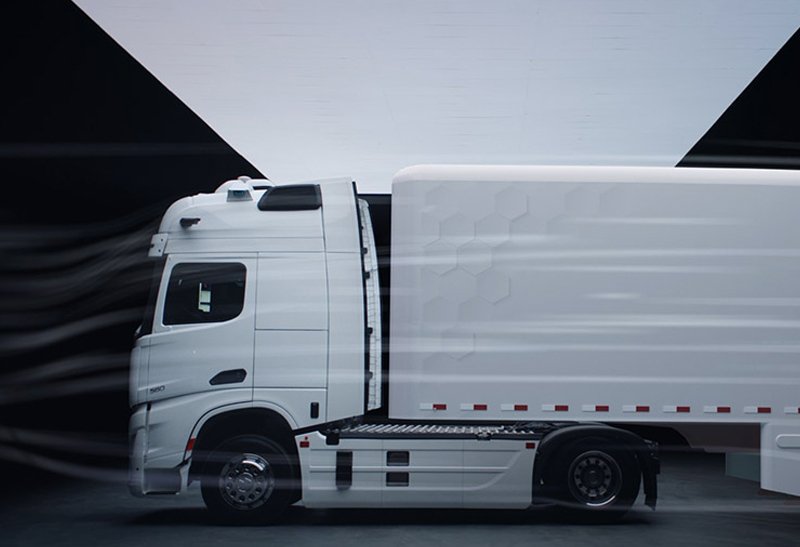
Elevate your brand experience with our trucks’ striking aesthetics. Our design philosophy marries form with function, presenting a vehicle that not only captures the eye but also embodies the essence of our brand’s values and vision. The sleek, modern contours of our trucks are meticulously crafted to optimize aerodynamics and functionality. Adorned with a bold, vibrant color palette and the iconic SHACMAN logo, each truck is a rolling testament to our unwavering dedication to quality and innovation. Discover the difference with a truck that stands out in both performance and style.
Aesthetics
TruckVision
As a pioneer in heavy truck manufacturing, SHACMAN is at the forefront of autonomous driving technology. Our commitment to innovation is embodied in the X6000, which has achieved *L4 autonomous driving capabilities.
Different levels of autonomous driving
The different levels of autonomous driving are defined by the Society of Automotive Engineers (SAE). They range from 0 (no automation) to 5 (full automation). Here is a brief summary of each level:
  • Level 0
    The driver is in complete control of the vehicle and performs all driving tasks. The vehicle may have some warning systems, such as lane departure or forward collision alerts.
  • Level 1
    The vehicle can assist the driver with either steering or speed control, but not both at the same time. The driver still has to monitor the road and be ready to take over.
  • Level 2
    The vehicle can control both steering and speed under certain conditions, such as on highways or in traffic jams. The driver still has to pay attention and intervene if needed.
  • Level 3
    The vehicle can drive itself in specific situations, such as on divided highways or in urban areas. The driver can relax and do other things, but has to be prepared to resume control when the system requests it.
  • Level 4
    The vehicle can drive itself in most scenarios, without the need for human intervention. The driver can choose to take over, but is not required to. The vehicle may have some limitations, such as operating only in certain areas or weather conditions.
  • Level 5
    The vehicle can drive itself in any situation, without any human input. The driver can become a passenger and enjoy the ride. The vehicle has no limitations, such as steering wheel, pedals, or driver seat.
Advantages of self-driving
  • Increased efficiency and productivity
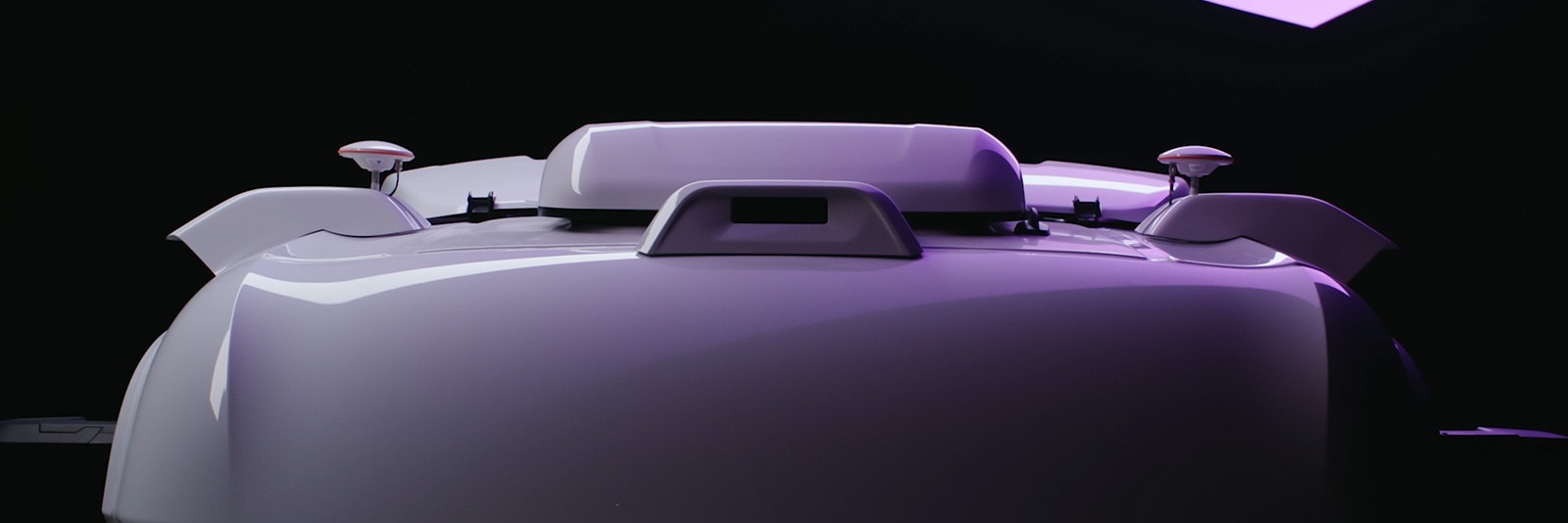
    Self-driving trucks can operate without the need for human intervention, using sensors, cameras, GPS satellites, IoT systems and AI technologies to perceive the environment and make decisions. This can allow them to move more cargo between destinations at less expense, travel during off-peak hours to reduce traffic congestion, and avoid issues like drowsy driving.
  • Improved safety
    Self-driving trucks can also improve safety on the roads by reducing the number of accidents caused by human error such as speeding, distracted driving, and fatigue. They can also use data from sophisticated sensors to warn them of potential problems well in advance, and react faster and more accurately than human drivers.
  • Cost reduction
    Self-driving trucks can also reduce the operating costs of the trucking industry, by saving fuel, lowering emissions, and minimizing maintenance costs. They can also make electric trucks more viable, which can further help fleets meet their sustainability goals.
Increased efficiency and productivity Improved safety Cost reduction
Designed to go forward
Looking ahead, we aim to set new industry standards and solidify our position as a leader in intelligent transportation solutions. Our goal is to continually push the boundaries of what’s possible, ensuring that our trucks are not only among the most advanced on the road today but also pave the way for the future of autonomous commercial vehicles.
Designed to go forward